
Screen time and the hour that quietly disappeared
No parent decided this. It happened by default, because the alternative required organising and the screen did not. Which is also the clue to fixing it.
Short answer: WHO advises no screen time for babies, no sedentary screen time for one-year-olds, and no more than an hour a day for two- to four-year-olds, with less being better. For older children it sets no number but says recreational screen time should be limited. Cutting back is far easier when the hour after school gets a fixed, active shape of its own.
How much screen time is OK for a young child?
For a child under five, WHO's answer is very little: none before the first birthday, no sitting-down screen time at age one, and at most one hour a day from two to four.
“Sedentary” is the word that matters. WHO is concerned with time spent sitting still in front of a screen — watching TV or videos, playing games — and its screen advice sits alongside two other targets for the same ages: at least three hours a day of physical activity of many kinds, and good-quality sleep. WHO describes the aim as a shift from sedentary time to playtime. When young children do sit, it encourages reading and storytelling with an adult instead.
For children aged five to 17, WHO's 2020 guidelines set no screen-time number. They recommend limiting time spent sitting, particularly recreational screen time, because in this age group more sedentary time is linked with poorer fitness, worse behaviour and shorter sleep. Homework on a laptop is a different matter from an evening of short videos; the guidance is about the recreational kind. The activity side of the same guidelines is covered in our guide on whether your child is active enough.
Why does the hour after school turn into screen time?
The hour after school turns into screen time because saying yes to a device costs a tired parent nothing in the moment, while saying no costs a negotiation, a plan and probably some supervision.
School finishes. There is a gap before homework, or after it, or both, and in that gap a child asks for a device. Yes wins, most days, and nobody notices, because each individual instance is entirely reasonable.
It is only the accumulation across a term that shows up — in sleep, in restlessness, in a child who has become noticeably less physically confident without any single moment you could point to. In a high-rise, where the alternative means shoes on, the lift down and a hunt for friends in the society park, the sofa has a head start.
Does screen time affect motor skills?
Screen time affects motor skills mainly by using up the hours in which those skills would otherwise be practised.
Balance, coordination, catching, climbing and landing are learned the way any skill is learned: by doing them often and getting a little better each time. A child who spends every afternoon on the sofa is not so much harmed by the screen as missing the practice, and over months that can show up as hesitancy on a climbing frame or a reluctance to join ball games.
WHO makes the same point from the other direction. Its under-five guidance calls for replacing sedentary screen time with active play while protecting sleep, and says that following its recommendations in the first five years contributes to children's motor and cognitive development. Hands matter as much as legs here: grip, cutting and drawing build the fine motor control that handwriting later relies on, and our guide to gross and fine motor skills covers both kinds.
How do I cut screen time without a battle?
You cut screen time without a daily battle by changing the structure of the day, rather than relying on willpower and limits alone.
Most advice on this is some version of “set limits”, which puts the entire load on a daily negotiation between a tired adult and a motivated child. That negotiation has to be won every single day, and it only has to be lost a few times to re-establish the default.
Structural solutions work better because they remove the decision. If the child is somewhere else at four o'clock on a Tuesday, no negotiation happens on Tuesday. The same logic works at home:
- Screens come after something active, not instead of it.
- Devices live and charge outside the bedroom.
- Screen time has a fixed start and end, the same every day, rather than a total you police by the minute.
- Adults follow the same rule in the same hour, wherever they can.
Expect a few days of protest when the routine changes. It usually settles once the new pattern is predictable, which is the whole point of making it a pattern rather than a daily decision.
What can replace screen time after school?
The things that successfully replace screen time after school share three features: they are fixed, they are social, and they make a child feel capable.
It has to be fixed. A vague intention to “go to the park more” loses to a device every time. A class at a set time on a set day does not, because it is no longer a choice being made in the moment.
It has to be social. Children return for the other children far more reliably than for the activity. A group that stays together across a term builds friendships, and friendships are what get a child into the car without an argument.
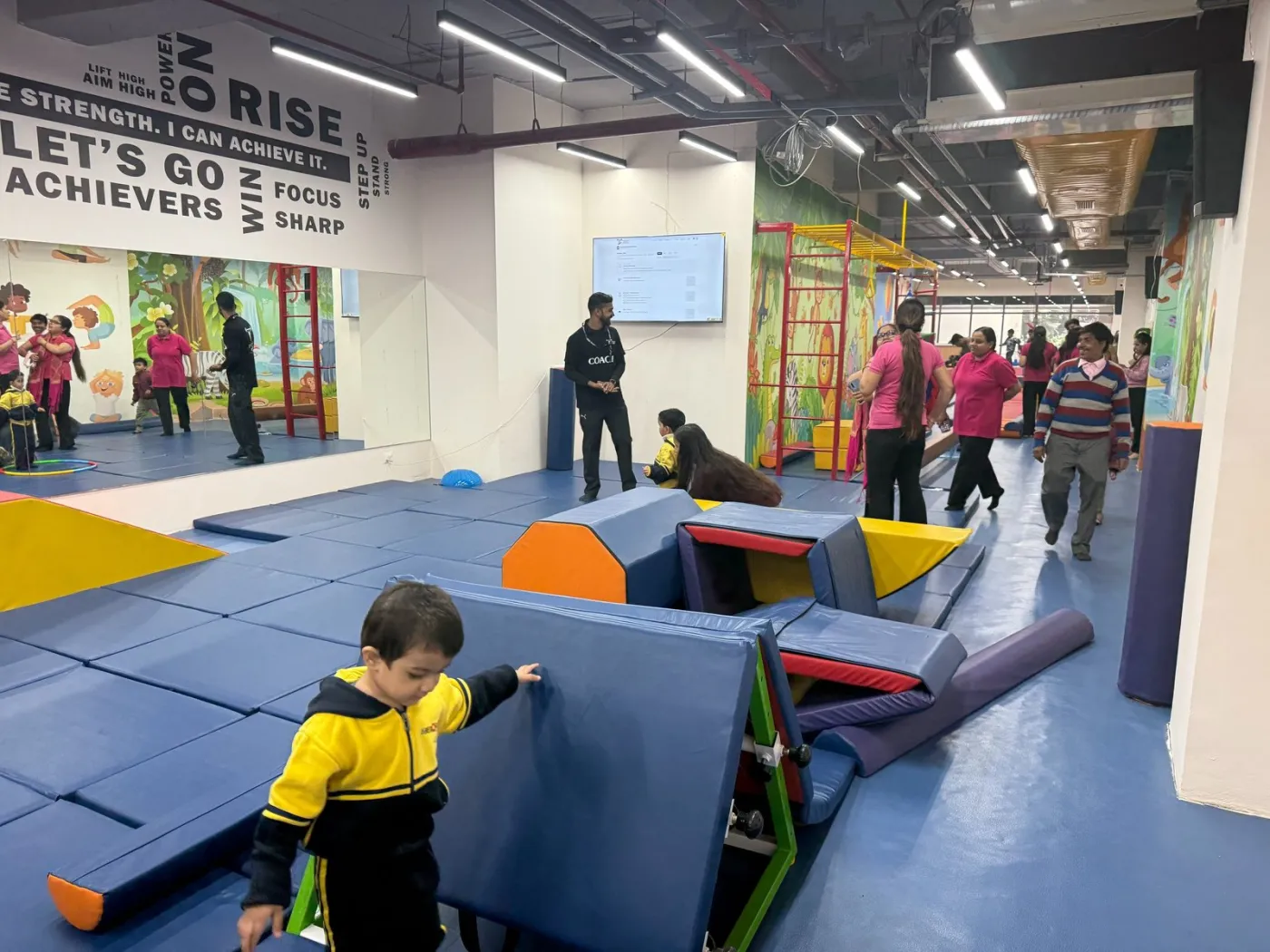
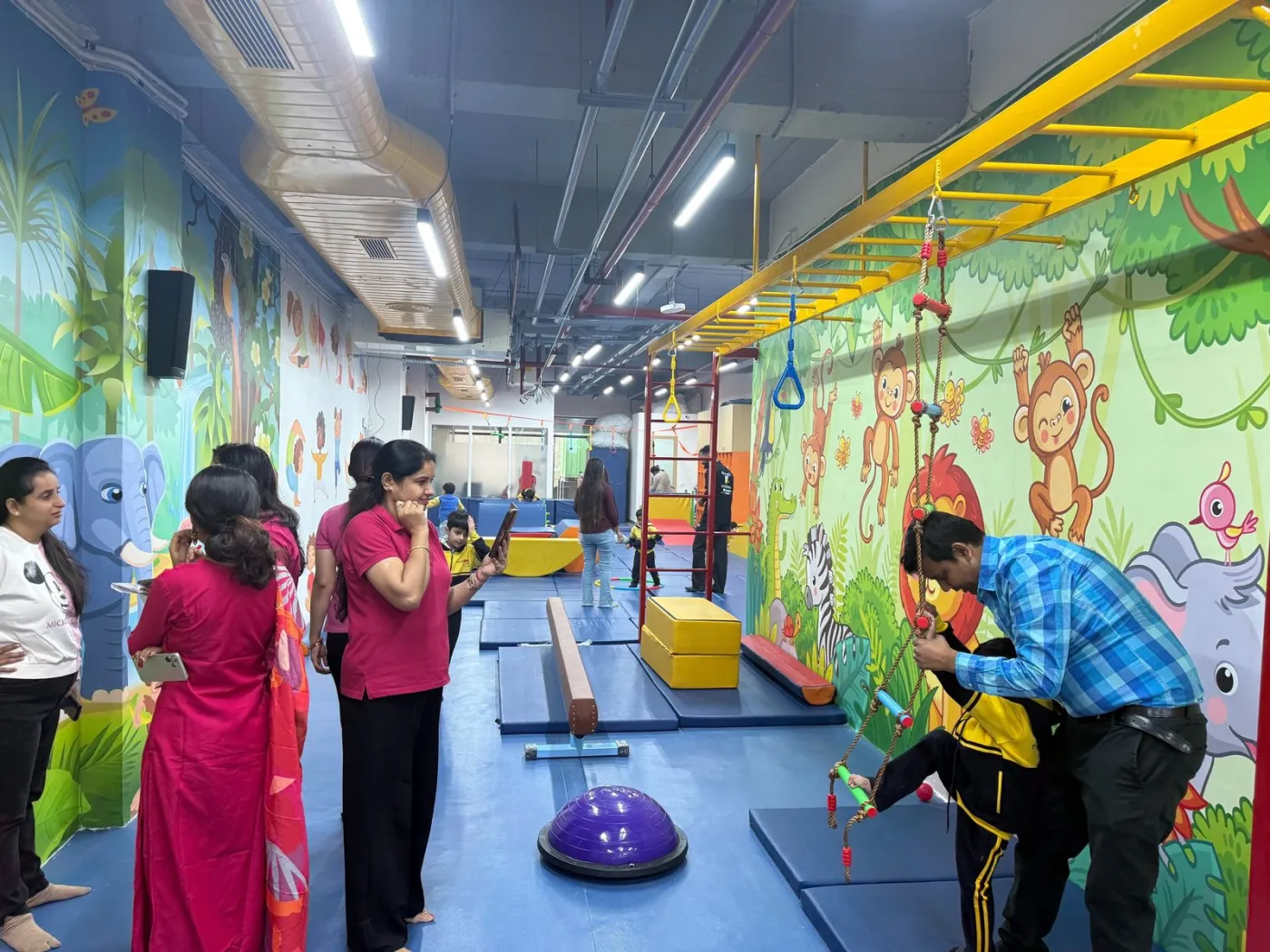
It has to make them feel capable. This is the one most often missed. Screens are compelling partly because they reliably deliver small wins, and an activity that only ever makes a child feel behind cannot compete. Sessions that recognise effort and improvement can — which is why every class in our Centre Programme ends with an award moment where a beginner is acknowledged as readily as the child who already cartwheels.
Will a regular activity actually reduce screen time?
A regular activity reduces screen time mostly by changing what your child wants to do, not by filling every free hour.
One class a week does not eliminate screen time, and nothing here suggests it should. What it does is put a fixed, physical, social anchor into the week and change what the child compares the screen against.
Parents regularly tell us the effect shows up on the days without a class too — more willingness to go outside, more asking to try things. That is the real mechanism: not less screen time by prohibition, but more appetite for the alternative. If you want to see what that looks like, book a free trial class and watch a full session.
What about screen time when it is too polluted to go out?
On high-pollution days, plan the indoor movement before the device comes out, because once a screen has filled the gap it is far harder to switch off.
In the NCR, November and December can bring long runs of days when outdoor play is off the table and the after-school hour shrinks to the walls of a flat. That is exactly when screen time drifts from occasional to constant. A short list of indoor games stuck on the fridge gives you something to say yes to instead. For a starter list, and for what each AQI reading means, see our guide to children's outdoor play in pollution season.
How do I manage screen time in the school holidays?
Managing screen time in the school holidays starts with giving each day a shape, because the long break removes the structure that term time provides.
A fortnight into the holidays, a lot of families find that late mornings and long screen stretches have quietly become the routine. A simple plan helps: something active in the morning, a fixed screen window after lunch, and time outdoors when the weather and the air allow.
That is also what holiday camps exist for — a day with a shape, hours of real movement, something made with their hands, and a genuinely tired child at the end of it. Our summer camp for ages 3 to 12 is built around exactly that.
Sources
- To grow up healthy, children need to sit less and play more — World Health Organization, 2019
- World Health Organization 2020 guidelines on physical activity and sedentary behaviour — British Journal of Sports Medicine, 2020
Questions parents ask
Should I use screen time as a reward or a punishment?
Using screen time as the main reward or punishment tends to backfire, because it teaches a child that the screen is the most valuable thing in the house. It also turns every evening into a negotiation over who has earned what. A calmer approach is to make screen time a fixed, predictable part of the day, and to reward effort with your attention, an outing or a favourite activity instead.
What should I do when my child says they are bored without a screen?
When a child says they are bored without a screen, let the boredom sit for a few minutes before you step in, because that gap is often where their own play starts. Keep a few easy things within reach, such as a ball, chalk, building blocks, paper and crayons or a skipping rope, and suggest one rather than a list. The complaints usually fade once a child realises the device is not coming back.
How do I keep screen rules the same when grandparents or a helper look after my child?
Agree the rules with everyone who looks after your child, and keep them short enough to remember: when screens are allowed, for how long, and what happens instead. Write them down and put them somewhere visible. Grandparents and helpers often find it easier to hold a line that comes with a ready alternative, such as a walk, a game or a regular class, than one that simply says no.
Do educational apps and videos count as screen time?
Educational apps and videos still count as screen time, because for a young child the issue is mostly the sitting rather than the subject. WHO's guidance for under-fives sets its one-hour limit on sedentary screen time without carving out learning content, and it encourages reading and storytelling with a caregiver as the better kind of sitting-down time. A good programme is better than a poor one, but it does not replace active play.
Should screens be switched off before bedtime?
A screen-free stretch before bed is a sensible rule, because WHO treats activity, screen time and sleep in young children as one daily pattern and stresses protecting sleep. A practical version is the last half hour before bed: devices go on charge outside the bedroom, and the time goes to a bath, a book and a chat about the day. Keeping that time the same every night does most of the work.